
You’ve decided to sell, and now you need someone to take it to market. The first estate agent near me search turns up names you recognise and a dozen you don’t, all promising results. Most sellers meet a few agents, feel overwhelmed by the sales pitch, and sign with whoever seemed least pushy. That’s backward.
An estate agent near me is not a commodity service where price and availability are the only variables. The agent you choose directly affects your final sale price, how long the campaign takes, and how much stress you carry through it. In the Eastern Suburbs market, a weak negotiator or a poor marketing strategy can cost significant amounts in missed premium. You want the agent who understands your suburb, knows how to position your property against local competition, and can justify their approach with recent comparable sales, not the one who answered the phone fastest.
Key Takeaways
- The right estate agent near me knows your suburb’s recent sales, buyer trends, and exactly what drives value in your street.
- Interview at least three agents, ask for evidence of recent comparable sales, and request a written marketing proposal before you commit.
- Commission structures vary, but a lower rate means nothing if the campaign is weak and the final price disappoints.
- Choosing an agent based on the highest appraisal figure is the single fastest way to end up with an overpriced listing that sits unsold.
- A boutique agency with deep local knowledge will often outperform a large franchise on negotiation, buyer access, and final result.
What Local Knowledge Actually Means and Why It Matters More Than Brand Name
Choosing an estate agent near me is not about the logo on the sign. It’s about how well the agent understands the specific micro-market where your property sits. An agent who sells across many suburbs cannot know Bellevue Hill the way a specialist does, and that gap shows up in pricing advice, buyer targeting, and negotiation.
Local knowledge means the agent can tell you what a renovated terrace in your street sold for recently, why the buyer paid a premium, and which features mattered. It means they know whether your suburb attracts young families chasing school zones, downsizers after low-maintenance apartments, or prestige buyers comparing your property to neighbouring premium areas. That intelligence shapes everything: the marketing angle, the inspection schedule, the buyer follow-up, and the reserve price.
In markets across the Eastern Suburbs, where values vary significantly by location and property type, a generic pitch will not cut through. Buyers at prestige levels are comparing properties across multiple suburbs, and they need an agent who can articulate exactly why your home is worth the premium over the alternative down the road. The agent who recently sold in your street can make that case. The one who sells everywhere cannot.
Ask any agent you interview to name their recent sales within your local area. If they hesitate or pull up results from other suburbs, you have your answer. What separates a trusted Eastern Suburbs agent from the rest is the ability to justify their pricing advice with comparable evidence, not a franchise manual.
How to Interview Agents Without Getting Sold a Pitch You Don’t Need
Most sellers meet agents in their home, hear a lengthy monologue about marketing reach and recent awards, and walk away confused. The agent who talks the most is rarely the one who delivers the best result. You need a structured conversation that forces the agent to demonstrate competence, not charisma.
Start by asking for recent comparable sales. Not sales from long ago, not sales in a different suburb, and not the record-breaking trophy listing they keep mentioning. Ask for properties similar to yours that sold recently, then ask what those sales tell you about pricing your own. An experienced agent will walk you through the differences, size, condition, presentation, buyer competition, and explain how those variables affect value. A weak agent will deflect to market trends or change the subject to their advertising budget.
Next, ask how they plan to market your property. The answer should be specific: which platforms, what kind of photography and copywriting, how many inspections per week, and how they will handle buyer feedback. If the proposal is identical to what they pitched the seller next door, it is a template, not a strategy. Your property is not the same as every other listing, and the marketing should reflect that.
Then ask about commission. Sydney agents typically charge within a range, and that range can represent a significant difference in absolute cost. But the rate alone tells you nothing. What matters is what you get for it: marketing budget, negotiation skill, and the final sale price. An agent who charges a lower rate and delivers a stronger result is better value than one who charges more and settles for less. The difference in final sale price can be substantial before you even factor in the commission saving.
Finally, ask for references. Not testimonials from their website, but the contact details of sellers who worked with them recently. Call them. Ask whether the agent delivered what they promised, how they handled setbacks, and whether they would use them again. One lukewarm reference tells you more than many five-star reviews on a platform the agent controls.
What Commission Structures Actually Cost and When to Negotiate
Commission is the largest single cost of selling, and most sellers accept the first rate quoted without question. That is a mistake. What a good real estate agent costs depends on the complexity of the sale, the marketing required, and the negotiation involved, not a fixed percentage the industry decided decades ago.
In Sydney’s Eastern Suburbs, agents typically charge within a range that varies with property value and complexity. The absolute dollar figure can be substantial on higher-value sales. Those figures exclude marketing costs, which can add significant amounts depending on the campaign scope.
But commission is negotiable, especially on prestige properties where the absolute dollar figure is high. Negotiating rate differences can save substantial amounts. The question is whether the agent at the lower rate will deliver the same buyer access, negotiation skill, and final result. Often they will, because the margin on a prestige sale is already substantial, and a good agent would rather secure the listing at a fair rate than lose it over a small percentage difference.
The other variable is marketing costs. Some agents include basic photography and online listings in their commission. Others charge separately for everything: professional photography, staging, floor plans, video tours, print advertising, and premium online packages. Get a written breakdown before you sign. A low commission with a large marketing bill is not cheaper than a higher commission with marketing included.
One final point: never choose an agent based solely on the lowest rate. A cheaper agent who cannot negotiate or market effectively will cost you far more than the commission saving. The best approach is to compare written proposals, assess what each agent offers for their rate, and negotiate from there.
Red Flags That Mean You Should Walk Away From an Agent Immediately
Some warning signs are obvious. Others are subtle and easy to miss when an agent is confident and persuasive. Here is what to watch for during the interview process.
The first red flag is an appraisal significantly higher than the other agents you interviewed. If agents suggest similar price ranges and one quotes substantially higher, that agent is not more optimistic, they are buying the listing. Overpricing to win your business is a common tactic, and it backfires. You will spend weeks on the market with weak buyer interest, drop the price, and eventually sell for less than you would have if you had priced correctly from the start. Pricing advice should be evidence-based, not designed to flatter you into signing.
The second red flag is vague answers about recent sales. If an agent cannot name comparable properties they sold recently, or if the examples they give are from a different suburb or price bracket, they do not know your market. Local expertise is not a bonus feature, it is the baseline requirement for the job.
The third red flag is pressure to sign immediately. A good agent will give you time to compare proposals, check references, and make an informed decision. An agent who insists you commit on the spot is either desperate for listings or trying to prevent you from interviewing competitors. Either way, walk away.
The fourth red flag is a marketing proposal that feels generic. If the agent hands you a glossy brochure that could apply to any property in Sydney, they have not thought about what makes your home different or how to position it against local competition. Marketing is not about spending big on advertising, it is about crafting a narrative that speaks to the right buyers and makes your property the obvious choice.
Finally, watch how the agent talks about their competitors. If they spend the meeting criticising other agents by name or dismissing entire agencies, it is a sign of insecurity, not confidence. The best agents focus on their own strengths and results, not tearing down others.
Why a Boutique Agency Often Delivers Better Results Than a Big-Name Franchise
Large agencies have brand recognition, national networks, and big advertising budgets. Boutique agencies have something more valuable: focus. When an agency specialises in a small geographic area, every agent on the team knows the local market intimately. They know which streets attract premium buyers, which properties sold above expectations, and why. That depth of knowledge shows up in pricing, marketing, and negotiation.
A boutique agency in the Eastern Suburbs works the same buyer pool regularly. They know the buyers looking across the area because they have shown them properties before. When your listing goes live, the agent already has a shortlist of qualified buyers to call. A large franchise agent selling across many suburbs does not have that network. They rely on advertising to generate leads, which means longer campaigns and more uncertainty.
Boutique agencies also tend to offer more personalised service. You are not one of many active listings managed by a junior agent with a massive pipeline. You are one of a handful of clients, and the principal agent is involved in your sale from start to finish. That matters during negotiations, when experience and judgment make the difference between accepting an early offer and holding out for a better one.
The Eastern Suburbs market is competitive, selective, and driven by local knowledge. A boutique agency with deep roots in the area will often outperform a franchise with a bigger advertising budget, because the buyers who matter are already in the agency’s database, and the agent knows exactly how to position your property against the alternatives.
How Levy Property Group Can Help You Choose the Right Strategy
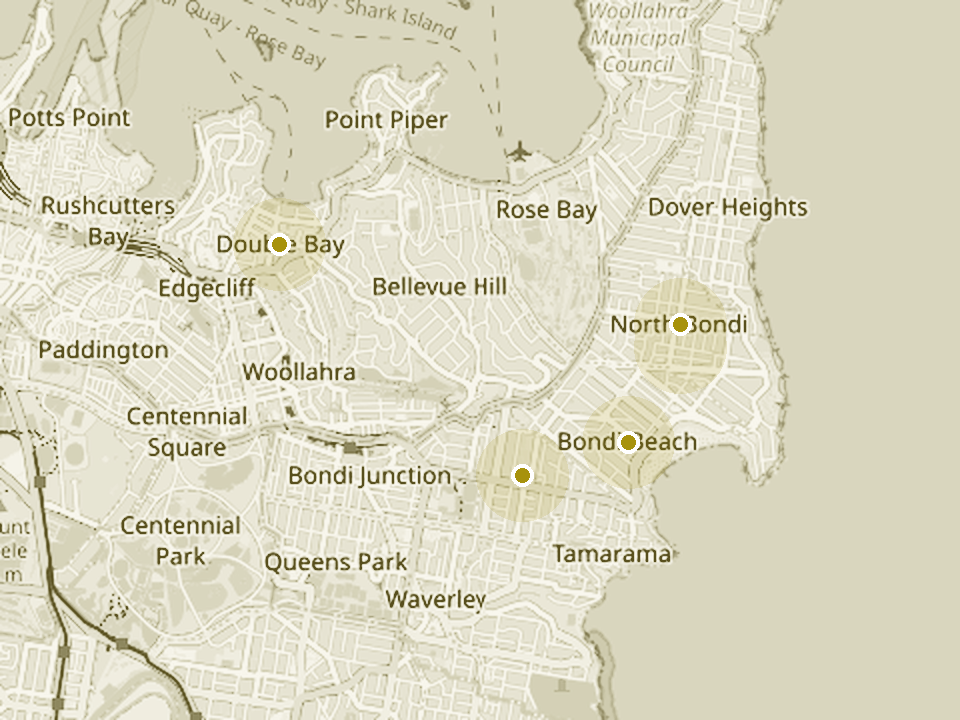
Levy Property Group operates across Bondi, Rose Bay, Vaucluse, Double Bay, and the broader Eastern Suburbs with a focus on personalised service and local expertise. The agency provides sales, marketing, and negotiation support tailored to each property and client, with a team that includes principal Chana Levy, sales executive Nathan Antunes, and operations coordinator Zara Paton.
The agency’s approach centres on evidence-based pricing, targeted marketing, and hands-on communication throughout the sale process. If you are comparing agents and want a clear, specific proposal backed by recent local sales, contact Levy Property Group to arrange an appraisal and marketing consultation.
Frequently Asked Questions
How do you choose a reliable real estate agent in East Sydney?
Interview at least three agents, ask for recent comparable sales within your local area, and request written marketing proposals. Check references from sellers who worked with the agent recently. Local knowledge, negotiation skill, and a clear strategy matter more than brand recognition or the lowest commission rate.
How do I find the top-performing agents in my suburb?
Look at recent sold properties in your suburb on online property platforms and note which agents handled them. Focus on agents who have sold multiple properties similar to yours recently. Ask neighbours who recently sold which agent they used and whether they would recommend them. Top performers will have a track record you can verify, not just testimonials on their website.
What do real estate agents charge in Sydney and what affects the rate?
Sydney agents typically charge within a range that varies with property value and complexity. Marketing costs are often separate and can add significant amounts depending on the campaign scope. Commission is negotiable, especially on prestige properties, but focus on what you get for the rate rather than the rate alone.
How much commission do real estate agents earn per sale?
Agents in Sydney generally earn a percentage of the sale price, with the rate set by agreement with the seller. The commission covers the agent’s time, marketing efforts, buyer outreach, and negotiation work. On Eastern Suburbs sales, the commission will reflect the complexity of the campaign and the final result achieved, with higher-value properties often attracting slightly lower percentage rates.
Should I choose an agent based on the highest appraisal figure?
No. An appraisal significantly above the other agents you interviewed is usually a tactic to win the listing, not an accurate reflection of market value. Overpricing leads to weak buyer interest, price reductions, and a longer campaign. Choose the agent whose appraisal is supported by recent comparable sales and whose marketing strategy is specific to your property, not the one who quotes the highest number.
What This Means for Estate Agent Near Me
Choosing the right estate agent near me is the single most important decision you will make when selling your property. The agent you select will shape the campaign, the buyer pool, the final price, and how much stress you carry through the process. Take the time to interview at least three agents, compare written proposals, and ask for evidence of recent local sales. The agent who knows your suburb, can justify their pricing advice, and has a track record of strong negotiation will deliver a better result than the one who simply answered the phone first.
Ready to take the next step?
Levy Property Group can help. Get in touch to see exactly how.

