
You walk through an apartment with harbour glimpses, imagine Saturday mornings at the beach, and submit an offer before the auction weekend. Then the building report arrives: balcony waterproofing failed, concrete cancer in the basement car park, a substantial special levy approved three weeks ago. North Bondi apartments for sale look polished on inspection day, but the expensive problems hide in strata minutes, engineer reports, and the building ledger you never asked to see.
Every rushed purchase in a competitive market skips steps that matter. The apartment you bid on carries costs the vendor isn’t required to volunteer, deferred maintenance, insurance hikes, structural defects the owners’ corporation has been debating for some time. Knowing what to check, when to check it, and which red flags justify walking away separates buyers who overpay from those who negotiate from strength.
Key Takeaways
- Strata reports expose financial health, levies, sinking-fund balances, special levies approved but not yet disclosed in marketing material
- Waterproofing failures and concrete spalling cost substantially per apartment and escalate rapidly in coastal buildings
- Auction pressure and limited stock tempt buyers to skip pre-purchase strata inspections; the expense always outweighs regret
- Parking, storage, balcony size and building-age combination determine resale appeal more than the apartment’s internal finishes
- North Bondi’s apartment market sits at premium levels; individual features or deferred maintenance swing actual sale prices significantly above or below broader market figures
Why Strata Records Matter More Than the Kitchen Benchtop
A polished renovation hides nothing about the building’s structural condition or financial obligations. The owners’ corporation levies, sinking-fund balance, insurance premiums, pending litigation, and approved capital works sit in documents the real estate agent isn’t required to include in the contract. Most buyers order a strata report after their offer is accepted, which is too late to negotiate or withdraw without forfeiting the deposit.
North Bondi’s coastal environment accelerates corrosion. Salt air, westerly winds off the ocean, and water ingress through expansion joints degrade concrete, steel reinforcement, waterproof membranes, and external paint faster than equivalent buildings inland. A building near the beach in Eastern Suburbs will need balcony remediation, facade repairs, or basement waterproofing work that a comparable building in Woollahra defers for longer. The sinking fund should hold enough to cover those costs. When it doesn’t, owners vote for a special levy, and every apartment pays its share.
A strata report purchased before the auction reveals approved special levies, planned works, defect disputes with the builder, increases in insurance premiums after a major claim, and the administrative fund balance. If quarterly levies are elevated and the sinking fund sits below adequate levels for the building, capital works will trigger a levy. The difference between a well-funded owners’ corporation and one that has deferred maintenance can add substantial costs to your first-year ownership, none of which appears in the contract price.
Waterproofing Failures and Concrete Cancer: The Coastal Tax
Balconies crack, membranes fail, water seeps into the slab, and steel reinforcement rusts. Concrete cancer begins as hairline cracks or rust stains along balcony edges and progresses to spalling, chunks of concrete breaking away, exposing corroded rebar. Left untreated, the structural integrity of the balcony deteriorates, insurance becomes harder to renew, and the owners’ corporation faces a choice between expensive remediation or selling apartments in a building flagged for defects.
North Bondi sits metres from the ocean. Salt spray reaches buildings several streets back from the beach, accelerating corrosion even in apartments that don’t have direct water views. Older blocks built decades ago used waterproofing membranes and concrete mixes that were adequate at the time but degrade faster than modern systems. A building with visible rust streaks on external concrete needs engineering assessment, not cosmetic paint.
Remediation costs vary with the extent of damage, but balcony waterproofing for a single apartment generally requires significant investment for minor membrane replacement and climbs rapidly when structural repairs, balustrade replacement, or facade work is required. Multiply that across multiple balconies in a building, and the owners’ corporation is looking at a substantial project financed through special levies. Buyers who inspect the balcony tiles, check for soft spots, and commission a building inspection before signing contracts avoid inheriting someone else’s deferred repair bill.
| Defect Type | What to Look For | Typical Impact |
|---|---|---|
| Balcony waterproofing failure | Cracked tiles, pooling water, rust stains on underside slab | Special levy for membrane replacement, temporary balcony closures during works |
| Concrete spalling | Exposed rebar, chunks of concrete breaking away, rust streaks on facade | Structural engineer assessment, costly facade remediation, insurance loading |
| Lift breakdowns | Out-of-service notices, frequent maintenance calls in strata minutes | Major capital expense when replacement is required, interim repair levies |
| Rising building insurance | Year-on-year premium increases above typical levels, claims history in strata reports | Quarterly levy increases, difficulty refinancing if insurers decline cover |
| Illegal modifications | Unapproved balcony enclosures, internal walls removed without engineer sign-off | Compliance orders, forced rectification, resale delays |
Parking and Storage: Non-Negotiable for Resale
An apartment without a dedicated car space sells for materially less than the same apartment with one secure spot. Eastern Suburbs street parking is heavily restricted, resident-permit zones fill quickly, and loading bays around cafés and the beach make casual parking impossible. Buyers without a car today still pay a premium for a parking space because future buyers will.
Storage cages matter less in absolute terms but still influence value. A large apartment without storage forces owners to rent external space or discard belongings. Smaller one-bedroom units benefit disproportionately from even a modest lockup cage, it solves the surfboard, bicycle, and suitcase problem that defines beachside living. Apartments at some developments include parking and storage as standard; older blocks converted from larger homes sometimes offer neither, and the resale gap reflects it.
Balcony size and aspect carry similar weight. A narrow Juliet balcony facing the building’s internal courtyard does not command the same price as a deep north-facing terrace with ocean glimpses. Marketing material emphasises outdoor space because it differentiates otherwise identical floor plans. Buyers who prioritise location over layout often accept compromised balconies to stay within budget, then discover resale buyers are less forgiving.
Auction Pressure and the Temptation to Skip Due Diligence
North Bondi’s limited apartment stock and high demand create auction environments where buyers feel pressured to bid without full information. Contracts are released shortly before auction, strata reports take several business days to arrive, and building inspections require coordination with the selling agent. Buyers who wait until after their offer is accepted to commission reports lose the opportunity to withdraw cleanly or renegotiate based on what those documents reveal.
Statutory cooling-off periods apply to private-treaty sales but auction purchases carry no cooling-off right. Once the hammer falls, you own the apartment and every undisclosed defect, levy, and compliance issue attached to it. Strata reports ordered after auction reveal problems you’re now obligated to fix.
Pre-auction due diligence requires upfront expense, strata reports, building inspections, conveyancing advice, before you know whether your bid will succeed. That cost feels wasteful if you’re outbid, but it’s a fraction of the financial exposure you accept by buying blind. Levy Property Group works with buyers who commission reports early, attend inspections prepared with a defect checklist, and make offers conditional on satisfactory strata documentation when the sale method allows it. Informed buyers negotiate better, walk away from bad buildings, and avoid the special-levy shock that defines regretful apartment purchases.
Building Age and the Renovation-Versus-Maintenance Trade-Off
Newer apartments sell at a premium because they come with builder warranties, modern waterproofing, energy-efficient glazing, and sinking funds not yet depleted by major works. Older blocks offer larger rooms, established gardens, lower strata levies, and purchase prices below newer stock, but those savings evaporate when the building needs facade remediation, lift replacement, or fire-safety upgrades to meet current building codes.
North Bondi’s apartment stock ranges from older walk-ups to contemporary developments completed in recent years. An older building near Campbell Parade might list at one price point for a two-bedroom apartment, while a comparable new apartment in the same street commands a premium. The gap reflects more than finishes: it’s the cost of future capital works, insurance risk, and resale appeal baked into the entry price.
Buildings of certain ages face predictable maintenance cycles. Lifts installed decades ago reach end-of-life and require full replacement. Concrete facades show spalling. Common-area plumbing fails. Fire-safety compliance changes, and owners’ corporations must retrofit alarms, sprinklers, or emergency lighting to meet updated codes. These expenses appear in AGM minutes, not glossy brochures, and they’re the reason experienced buyers read several years of strata records before deciding whether an older building’s lower purchase price represents value or a liability.
How Levy Property Group Helps Buyers Make Confident North Bondi Apartment Decisions
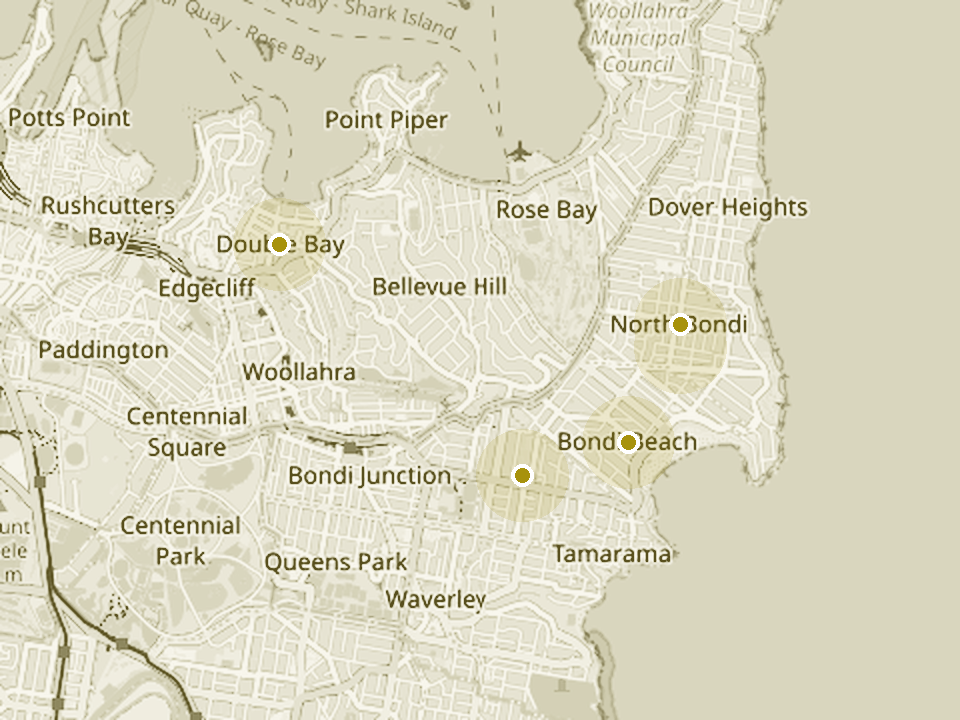
Levy Property Group operates from Rose Bay and has worked with buyers across Bondi’s apartment market for over 20 years. Principal Chana Levy and her team guide first-home buyers and investors through strata reports, building inspections, and the due-diligence steps that separate sound purchases from expensive mistakes. The agency’s local insight includes knowing which North Bondi buildings have completed major works, which are planning them, and which have deferred maintenance that will surface after purchase.
When you’re weighing apartments in Bondi or neighbouring suburbs, Levy Property Group connects you with strata specialists, building inspectors, and conveyancers who understand coastal apartment risks. The agency’s transparent, results-driven approach means you get honest advice about buildings to avoid, levies that indicate financial trouble, and the features that hold value when the market softens. If you’re ready to inspect apartments with a clear checklist and the confidence that comes from proper due diligence, get in touch with Levy Property Group today.
Frequently Asked Questions
Is North Bondi expensive compared to other beachside suburbs?
Yes. North Bondi’s apartment market sits at premium levels, which places it above many Sydney beachside suburbs. The premium reflects proximity to North Bondi Beach, established cafés, and strong transport links. Prices vary significantly with parking, views, building age, and strata-levy obligations.
Are there apartments currently for sale in North Bondi?
Yes. North Bondi typically has active listings across a range of price points, building ages, and configurations. Stock levels fluctuate, and well-presented apartments with parking and low levies attract competitive interest. Buyers should engage an agent early to access off-market opportunities and newly released contracts before auction campaigns begin.
Which Sydney suburb offers the best value for apartment buyers?
Value depends on your priorities. Suburbs further from the coast or CBD generally offer lower entry prices but sacrifice beachside amenity, established infrastructure, and resale liquidity. North Bondi suits buyers who prioritise lifestyle, proximity to the ocean, and long-term capital growth over immediate affordability. Buyers focused purely on yield or entry price may find better options in developing corridors or suburbs undergoing infrastructure upgrades, but those locations lack North Bondi’s established appeal and scarcity.
What should I budget for ongoing costs after buying a North Bondi apartment?
Quarterly strata levies, council rates, water rates, building insurance (if not covered by strata), contents insurance, and maintenance reserves. Strata levies vary widely depending on building size, facilities, sinking-fund contributions, and recent capital works. Buildings with lifts, pools, gyms, or concierge services carry higher levies. Special levies for major works can add substantially in a single year. Review several years of strata records and budget conservatively for future capital expenses.
How do I know if a North Bondi building has structural problems before I buy?
Commission a pre-purchase building inspection and strata report before the auction or exchange of contracts. The building inspector examines visible defects, waterproofing, concrete condition, and general maintenance. The strata report reveals approved works, defect disputes, insurance claims, engineer assessments on file, and whether the owners’ corporation has scheduled remediation. Look for rust stains on balconies, cracked tiles, spalling concrete, and AGM minutes that discuss structural engineers or special levies. If the strata report or inspection flags significant concerns, seek specialist engineering advice before proceeding.
What This Means for North Bondi Apartments For Sale
North Bondi apartments offer beachside living, established infrastructure, and strong long-term capital growth, but rushed inspections and skipped due diligence turn premium purchases into expensive regrets. Strata records, waterproofing condition, parking, and building age determine whether an apartment represents value or a future liability. Buyers who commission reports early, read strata minutes carefully, and walk away from buildings with deferred maintenance protect themselves from special levies, insurance difficulties, and resale discounts that wipe out any initial saving.
Levy Property Group’s two decades of experience serving Eastern Suburbs means you get honest advice about which North Bondi buildings to pursue and which to avoid. If you’re ready to inspect apartments with a clear checklist and the confidence that comes from proper due diligence, contact Levy Property Group today.
Ready to take the next step?
Levy Property Group can help. Get in touch to see exactly how.

